Body, Speech, & Mind - The Power of Namo Buddhāya/Buddho Daily
The Three Gates:
Body (Kāya): Refers to physical actions and sensations, which are tied up with the breath and the physical form.
Speech (Vācā): Involves verbal expressions, including truthfulness, kindness, and useful communication. Speech is considered a distinct category from physical action because of its enormous ripple effects and ability to influence minds directly.
Mind (Mano): Encompasses thoughts, intentions, emotions, and consciousness. It is the chief of the three, the domain where wisdom and insight are developed.
The mind is the most powerful of the three gates. Why is that? Consider something that has left an emotional impact, a core memory. These memories endure throughout a lifetime.
Physical pain and verbal abuse or praise can cause harm, but they don't linger as long as the emotions or memories we retain. Similarly, words can cause more harm than physical pain.
While physical pain can heal or diminish, words can sting and influence self-esteem, perceptions, and perspectives.

Since speech (Vaca) is more powerful than body, we can do wonders with chanting Namo Buddhāya and Buddho daily.
We can also use our speech to spread the Dhamma that is well expounded by the Buddha, in beautiful ways people are receptive, making it useful and easy to understand (not forceful/violent).
What is Namo Buddhāya? Just once a day and you are a very good Buddhist.
Namo: Comes from the Sanskrit/Pali root meaning "Homage," "Adoration," "Veneration," or "I bow down to.”
Buddhāya: Meaning "to the Buddha" or "for the Buddha."
Buddho directly means "The Awakened One," or "The Enlightened One."
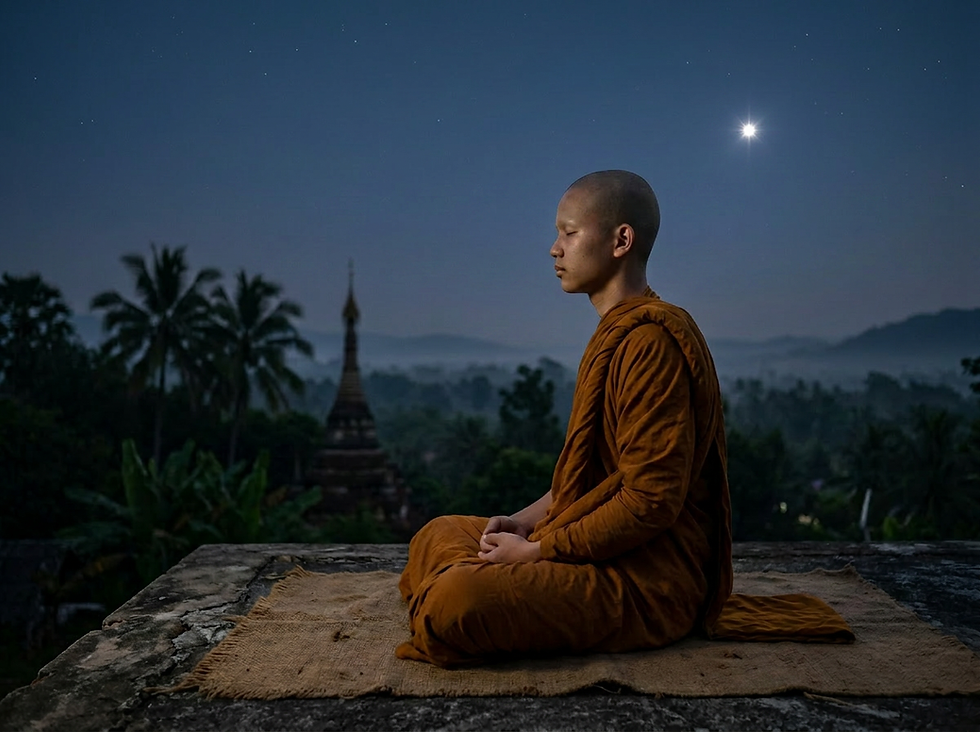
The Purpose: The repetition of "Buddho" serves as an anchor for the mind.
It helps to gather and unify the mind.
It is considered a form of Buddhanussati (Recollection of the Buddha), keeping the noble qualities of the Buddha (wisdom, purity, compassion) in the meditator's mind.
When you chant Buddho, you are bringing within, all the Buddhas, immeasurable in number, into your consciousness, and with that, the immense karmic power healing.




Comments